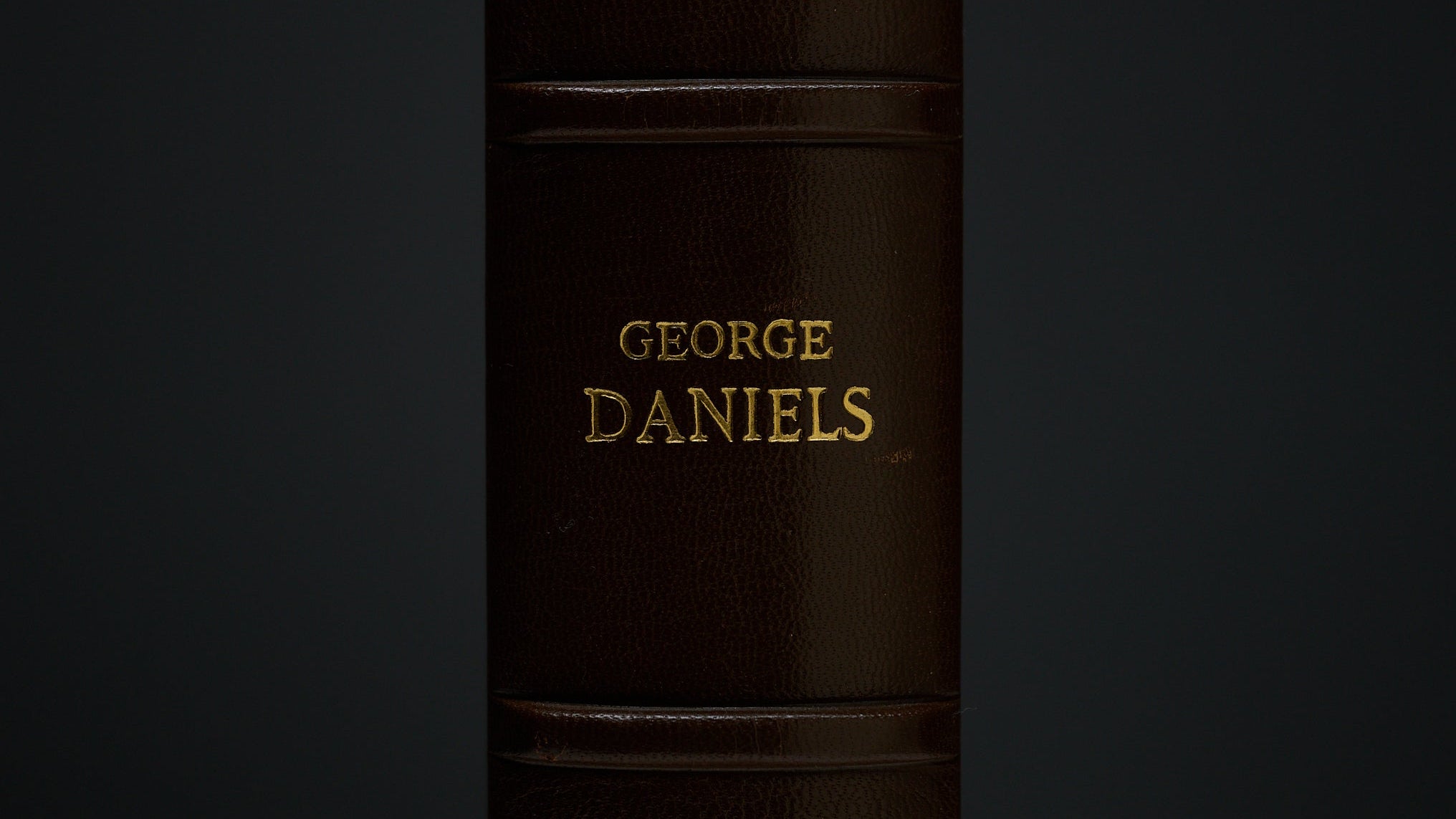
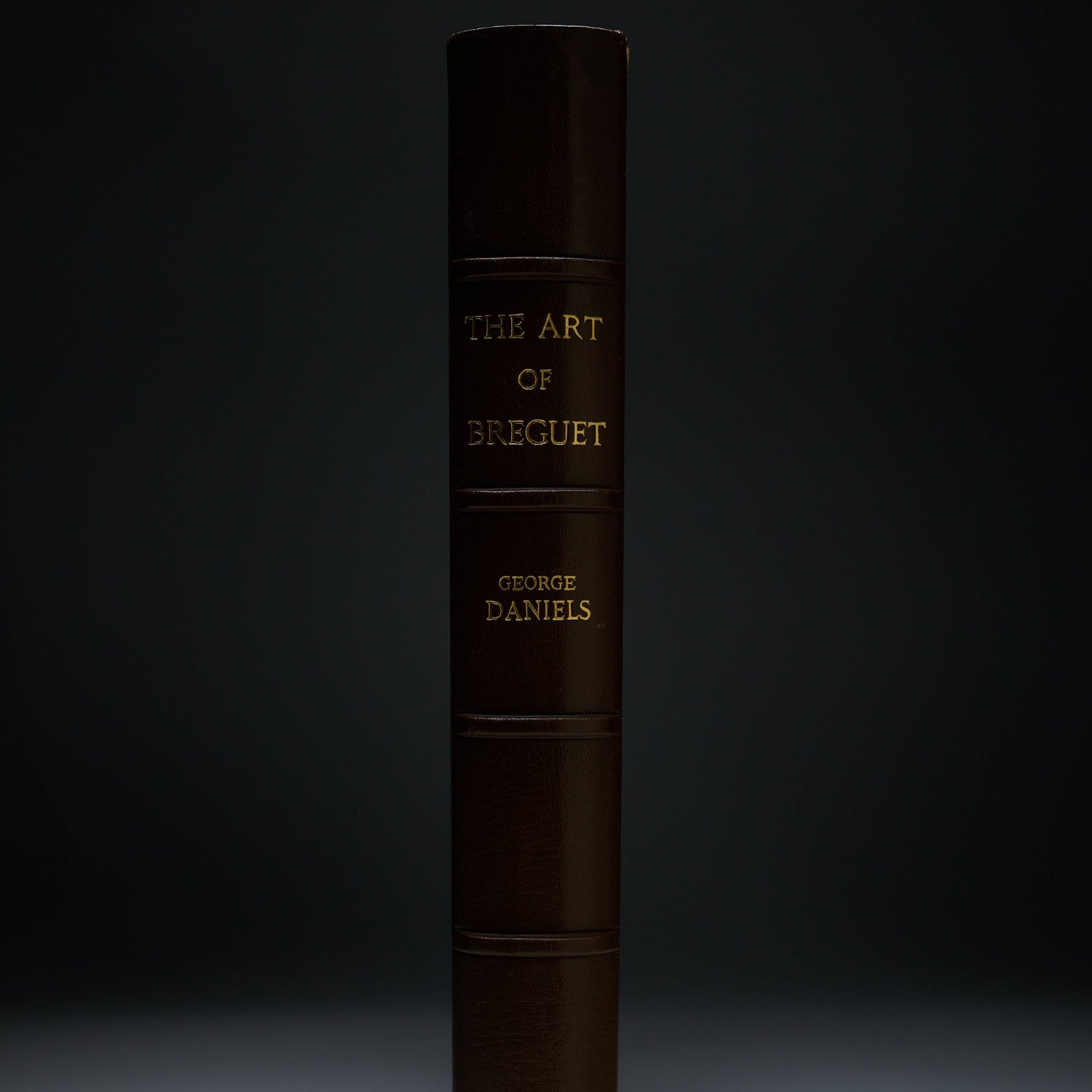
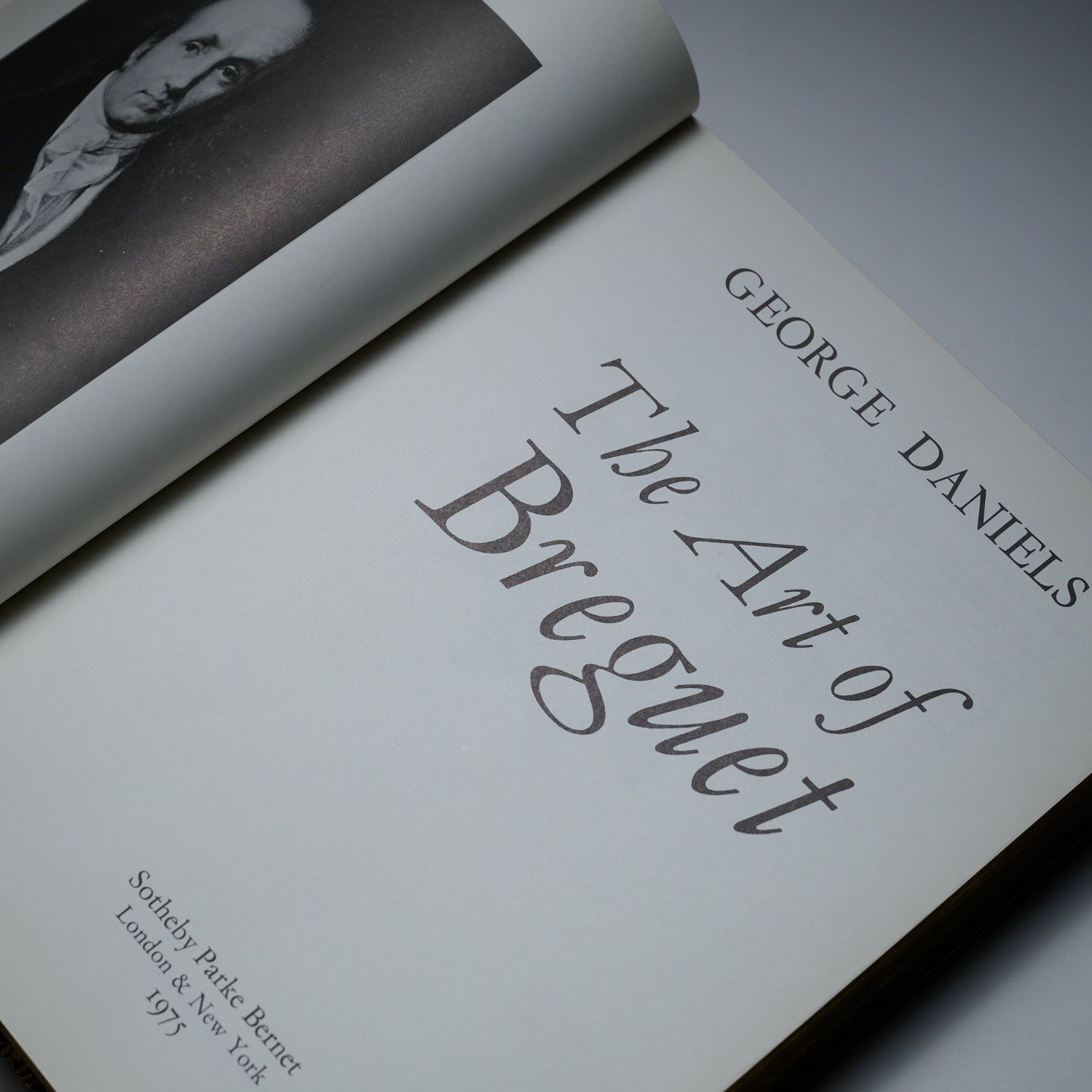


The Art of Breguet by George Daniels
Limited Edition Book, London 1975
Few names in horology command the same reverence as George Daniels, widely regarded as one of the greatest watchmakers of the modern era. His seminal publication The Art of Breguet, first printed in London in 1975, stands as one of the most influential works ever written on the life and creations of the legendary watchmaker Abraham-Louis Breguet.
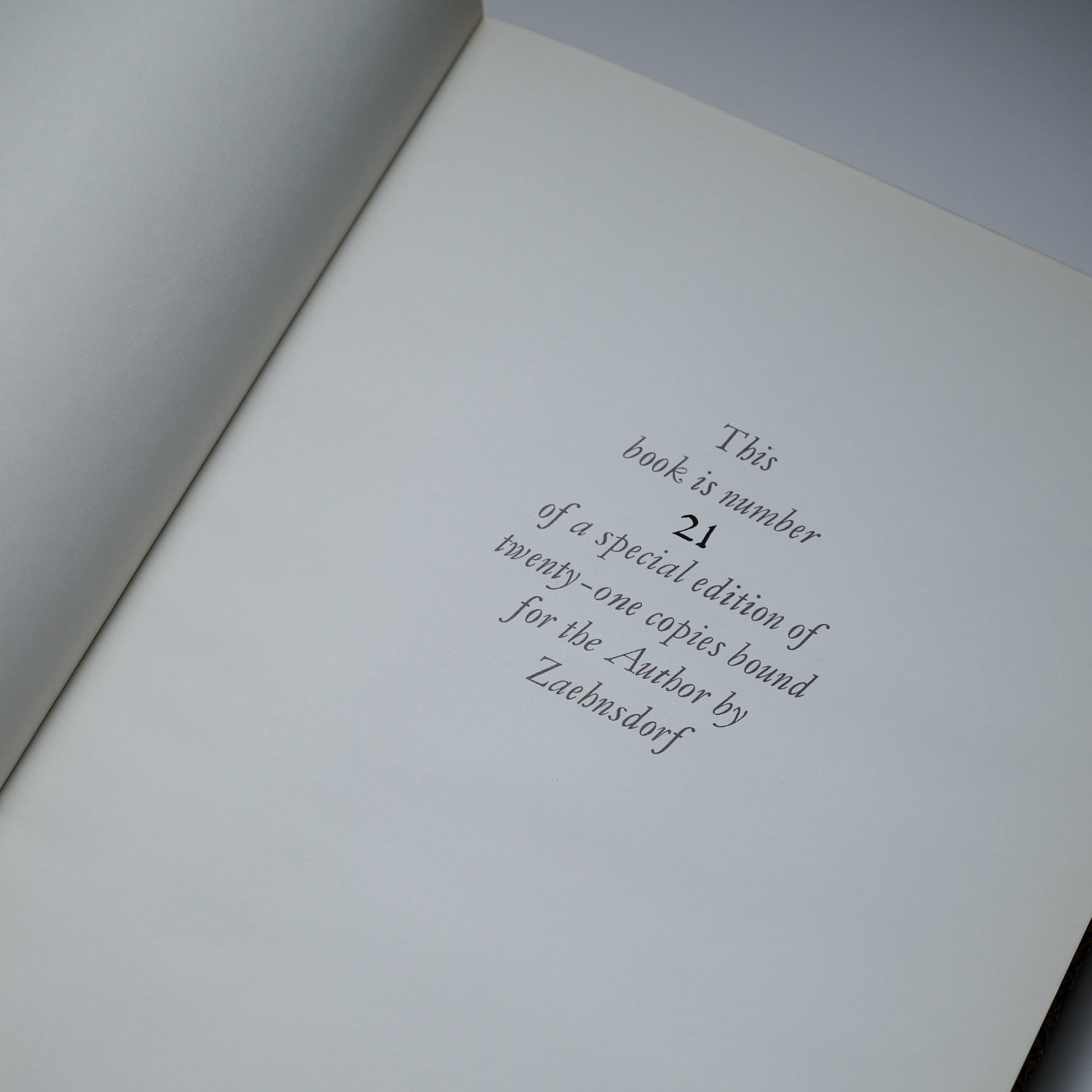
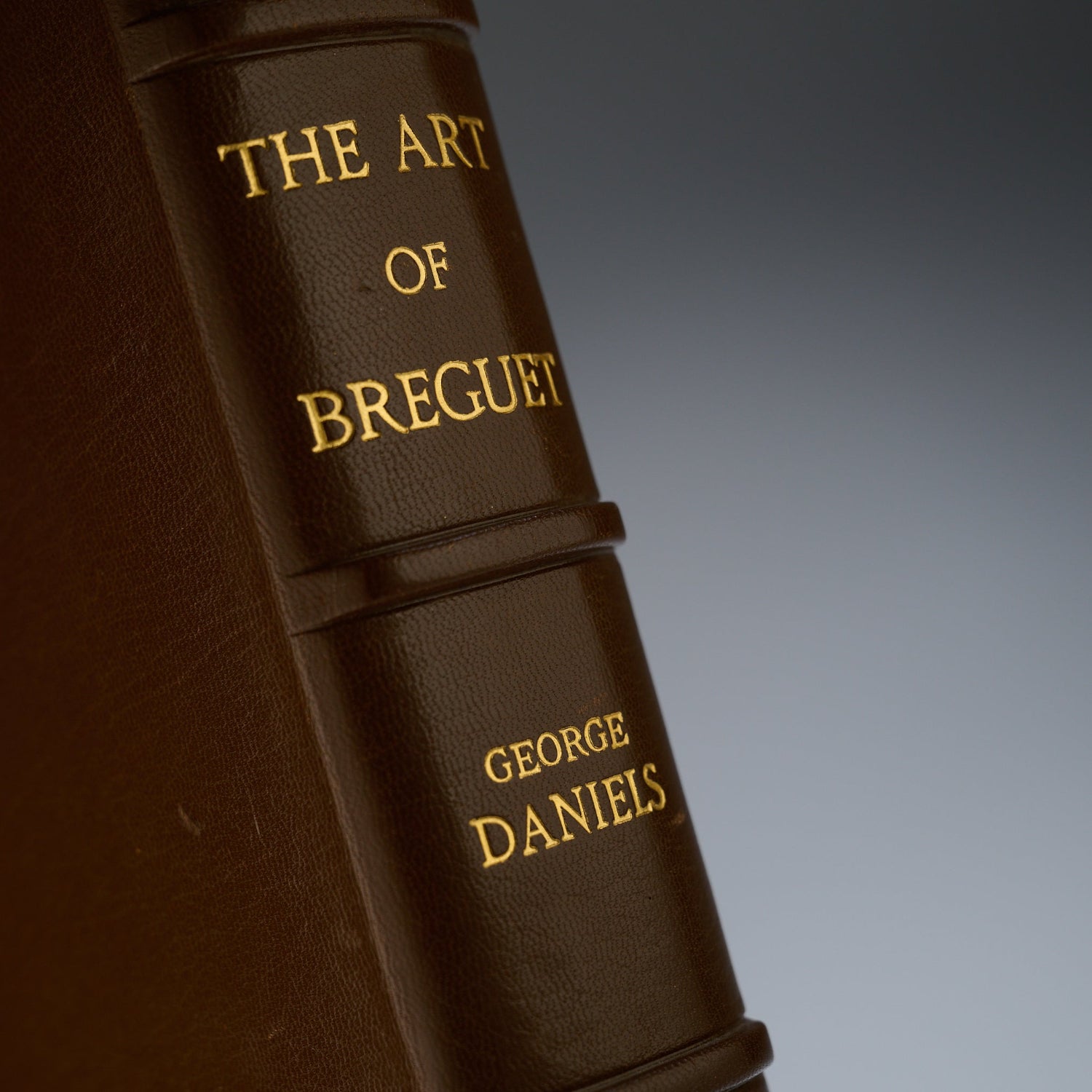
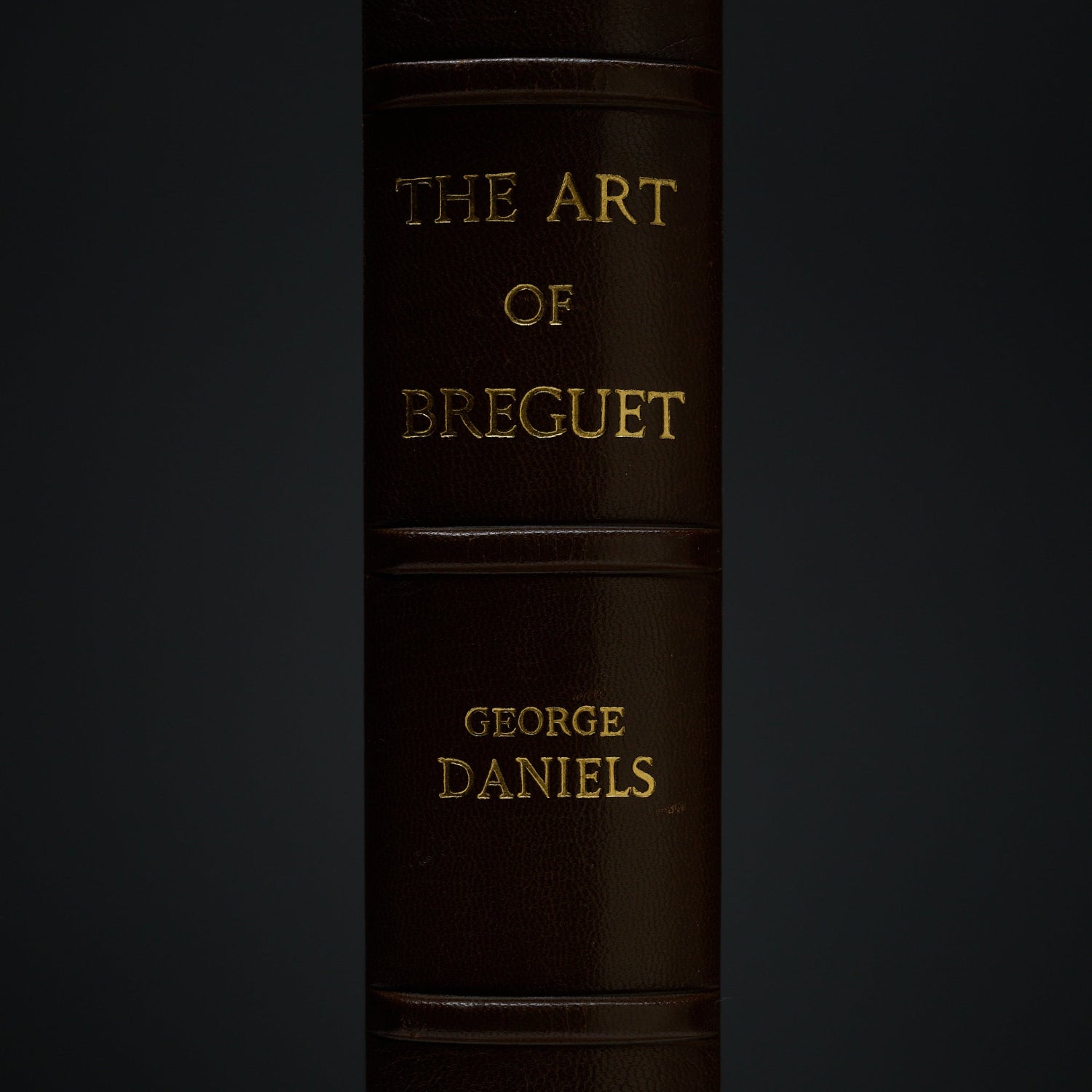
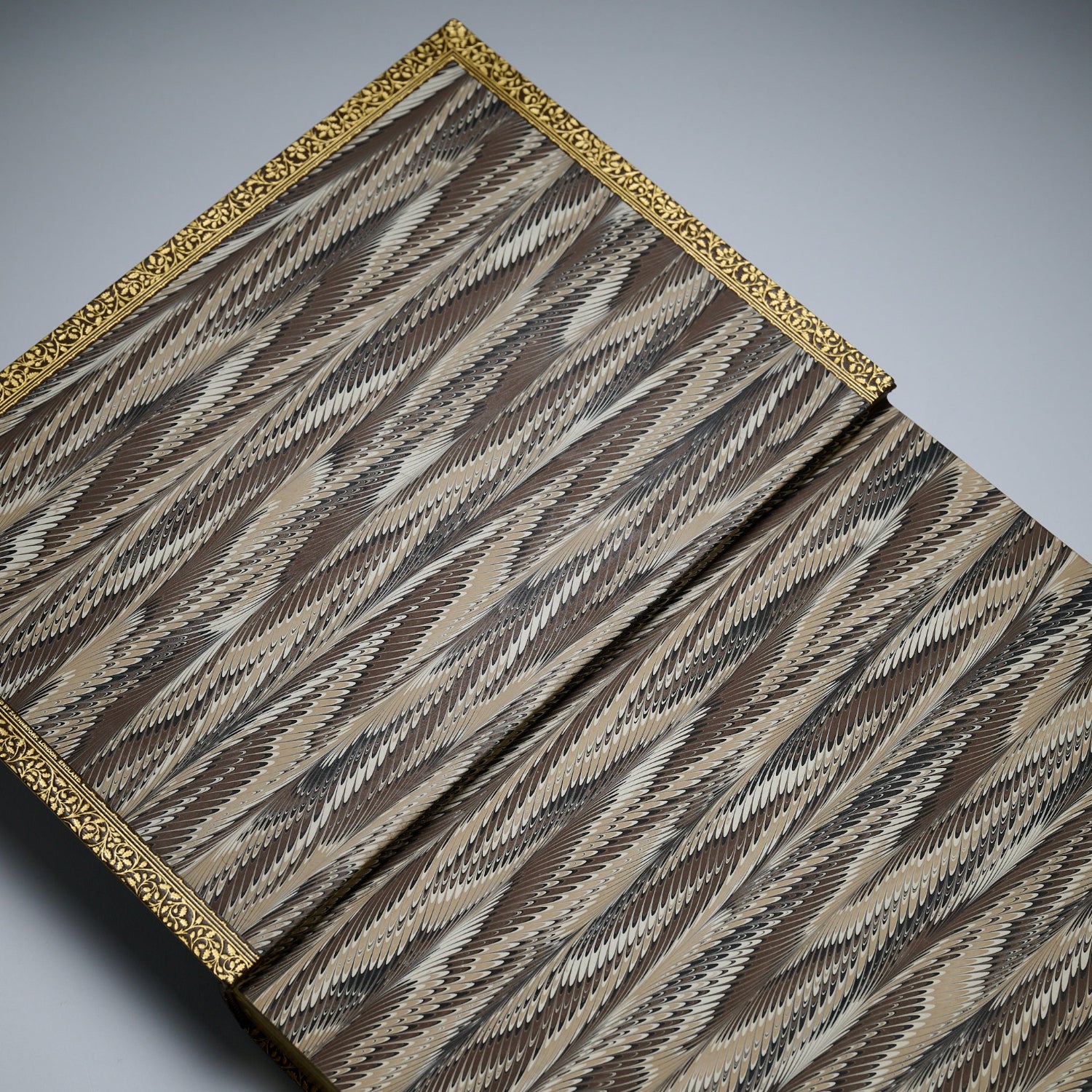
This particular example belongs to the extremely rare first edition limited to only 21 copies, making it a coveted piece for collectors and scholars of horological history alike. Bound in gilt-tooled calf leather with marbled endpapers and presented in a large-format volume, the book reflects the same dedication to craftsmanship that Daniels himself championed in watchmaking.
Within its pages, Daniels offers a deeply researched exploration of Breguet’s extraordinary innovations — from the tourbillon to the Breguet overcoil — alongside detailed analysis of his watches and their lasting influence on mechanical timekeeping. Written with the insight of a master watchmaker and historian, the book has become a cornerstone reference for collectors and institutions around the world.
Measuring approximately 33.5 × 25 cm, this beautifully preserved copy remains in very good condition, with only minor wear to the binding and clean, well-maintained pages — a testament to its careful preservation over nearly half a century.
Today, The Art of Breguet is far more than a book. It is a landmark of horological literature — a rare opportunity to own a piece of watchmaking scholarship authored by one of the craft’s most revered figures.
A true treasure for collectors who appreciate the intellectual foundations of fine watchmaking.
ABOUT
GEORGE DANIELS
The Master of Modern Independent Watchmaking
Few individuals have shaped modern horology as profoundly as George Daniels. Regarded as one of the greatest watchmakers of the twentieth century, Daniels dedicated his life to preserving and advancing the art of traditional watchmaking at a time when mechanical horology faced near extinction.
Working almost entirely by hand in his Isle of Man workshop, Daniels embodied the philosophy of the complete watchmaker — conceiving, designing, manufacturing, finishing, and assembling every component of his watches himself. In doing so, he revived a tradition that had largely disappeared since the era of Abraham-Louis Breguet, proving that the highest form of watchmaking remained a deeply personal craft.
His work stands as a bridge between the golden age of horology and the modern revival of independent watchmaking.
Innovation Rooted in Tradition
While Daniels revered the great masters of the past — particularly Abraham-Louis Breguet — his ambition was never merely to replicate history. Instead, he sought to refine it.
His greatest contribution came in the form of the Co-Axial escapement, an ingenious mechanism designed to reduce friction within the movement and significantly improve long-term timekeeping stability. This invention represented the first fundamentally new escapement to enter industrial watchmaking in over two centuries.
Today, the Co-Axial escapement remains one of the most important technical innovations of modern horology, widely adopted and recognized as a milestone in the evolution of mechanical timekeeping.
The Art of the Complete Watch
Daniels believed that true watchmaking demanded mastery of every discipline involved in the craft. His watches were entirely hand-made using traditional tools and techniques, with components produced from raw materials and finished with meticulous attention to detail.
Every bridge, wheel, and spring reflected both mechanical purpose and artistic sensitivity. Finishing techniques such as hand-beveling, black polishing, and engine-turning were executed to exceptional standards, giving each watch a character that was both technically rigorous and visually refined.
Through this approach, Daniels elevated the wristwatch beyond a precision instrument — transforming it into an object of mechanical art.
A Legacy That Reshaped Horology
Beyond his own watches, Daniels’ influence transformed the entire watchmaking landscape. Through his teachings, writings, and mentorship, he inspired a new generation of independent watchmakers who continue to define contemporary haute horlogerie.
Among those deeply influenced by his philosophy was Roger W. Smith, who today carries forward Daniels’ methods and standards of craftsmanship.
George Daniels proved that independent watchmaking could thrive through intellectual rigor, patience, and uncompromising dedication to the craft.
More than a watchmaker, he was a guardian of horological knowledge — a figure whose legacy continues to guide the future of mechanical watchmaking.